Blog · Remote Hiring 2026
Why Engineering Firms Are Hiring Offshore in 2026
Struggling to hire engineers or architects fast enough? See why firms are building offshore teams to cut costs and close skill gaps in 2026

Prateek Sahni
Published: 10 July 2026 · 5 min read
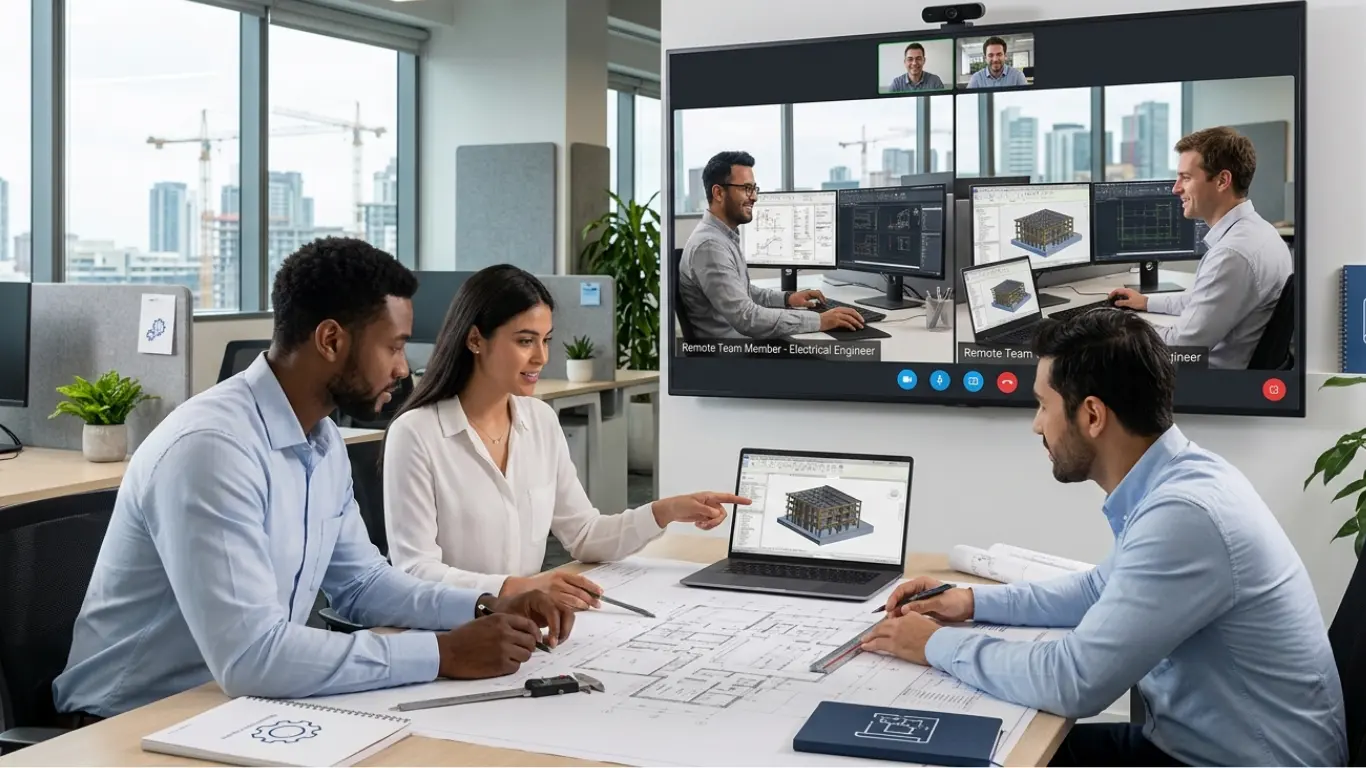
Why More Engineering & Architecture Firms Are Going Offshore in 2026
Your best civil engineer just gave notice. You've got three project deadlines this quarter and a stack of resumes from candidates who want 20% more than you budgeted. Sound familiar?
Across construction, infrastructure, and architecture, firms are running into the same wall: too much work, not enough qualified people, and a hiring process that takes months you don't have. It's why a growing number of engineering and architecture businesses are building part of their team offshore not as a stopgap, but as a permanent part of how they operate.
The Problem Isn't Talent. It's Access.
There's no shortage of skilled electrical engineers, structural engineers, architects, or BIM specialists in the world. The shortage is local tied to your city, your salary bands, your visa sponsorship budget. Offshore staffing doesn't lower the bar on skill; it removes the geographic ceiling on where you're allowed to look.
That's the model My Virtual Mate (MVM) works with: dedicated remote professionals electrical engineers, civil engineers, architects, CAD/BIM specialists, and project managers who work as a genuine extension of your existing team, not a disconnected vendor.
What This Actually Looks Like Day to Day
Electrical & civil engineers handling design, drafting, calculations, and technical documentation in tools you already use AutoCAD, Revit, ETAP, SolidWorks, Civil 3D.
Architects & BIM specialists carrying concept design through to construction documentation, freeing your local team to focus on client relationships and design strategy.
Project managers running PMI, Agile, or Waterfall delivery so nothing falls through the cracks while you scale.
The professionals aren't freelancers you hand off a task to once. They're onboarded into your workflows, your PM tools, your communication channels the same as any new hire, minus the 3-month recruitment cycle.
Why Firms Are Making the Switch Now
Three pressures are converging at once:
Deadlines aren't moving, but headcount budgets are tighter. Offshore staffing lets you add capacity without the overhead of a full local hire.
The local talent pool for specialized roles (structural, geotechnical, MEP) is thin in a lot of markets. Going global widens the pool dramatically.
Hiring timelines are too slow for project-based work. Traditional recruitment can take 6-8 weeks before someone even starts; offshore staffing partners typically move faster because the sourcing pipeline already exists.
It's Not About Cutting Corners
The instinct with "offshore" is to assume lower cost means lower quality. In practice, the firms doing this well are using it to access more specialized expertise, not less a geotechnical engineer or a Revit-certified BIM coordinator they simply couldn't justify hiring locally for one project.
Is This Right for Your Firm?
If any of these sound familiar, it's worth a conversation:
You're turning down projects because you don't have the drafting or design capacity.
Your local hiring pipeline for a specific role has been empty for months.
You need a project manager or CAD specialist for 6-12 months, not permanently.
Your engineering costs are eating into margins you used to protect.
Frequently Asked Questions
Why are engineering and architecture firms hiring offshore teams in 2026? Local hiring pipelines for specialized roles like structural, geotechnical, and MEP engineering are thin, headcount budgets are tighter, and traditional recruitment often takes 6-8 weeks before someone can start. Offshore staffing widens the talent pool and adds capacity faster.
Which roles can be hired offshore for engineering and architecture firms? Firms commonly hire offshore electrical engineers, civil engineers, architects, CAD and BIM specialists, and project managers who work in familiar tools such as AutoCAD, Revit, ETAP, SolidWorks, and Civil 3D.
Do offshore engineers and architects work as part of the existing team, or as outside contractors? With My Virtual Mate, offshore professionals are onboarded into the firm's existing workflows, project management tools, and communication channels functioning as a genuine extension of the team rather than a disconnected vendor handling one-off tasks.
Does offshore engineering staffing mean lower quality work? No. Firms using offshore staffing effectively are often accessing more specialized expertise, not less such as a geotechnical engineer or Revit-certified BIM coordinator they couldn't justify hiring locally for a single project.
How is offshore staffing different from traditional local hiring? Offshore staffing removes the geographic ceiling on where a firm can look for talent. It typically moves faster than traditional recruitment, which can take 6-8 weeks before a new hire starts, because the offshore staffing partner's sourcing pipeline already exists.
How do I know if my firm is ready to hire offshore engineers or architects? It's worth exploring if your firm is turning down projects due to limited drafting or design capacity, your local hiring pipeline for a specific role has been empty for months, you need a specialist for 6-12 months rather than permanently, or engineering costs are eating into project margins.
Can I start with just one offshore role before building a full team? Yes. Firms can start small with a single role on a single project to see how offshore staffing fits their workflow before scaling to a larger, multidisciplinary remote team.
How do I get started hiring an offshore engineering or architecture team? Book a call with My Virtual Mate to discuss your specific hiring gaps and identify which roles electrical engineers, civil engineers, architects, CAD specialists, or project managers make sense to bring on remotely first.
Get Started
Building an offshore engineering or architecture team doesn't have to mean a leap of faith. Start small one role, one project and see how it fits before scaling further.
Book a 15-minute call with My Virtual Mate to talk through your specific hiring gaps and see which roles make sense to bring on remotely first.
Looking for the full breakdown of every role, software platform, and industry MVM supports.